


Javier Lopez
Jlopezmedinaceli@gmail.com
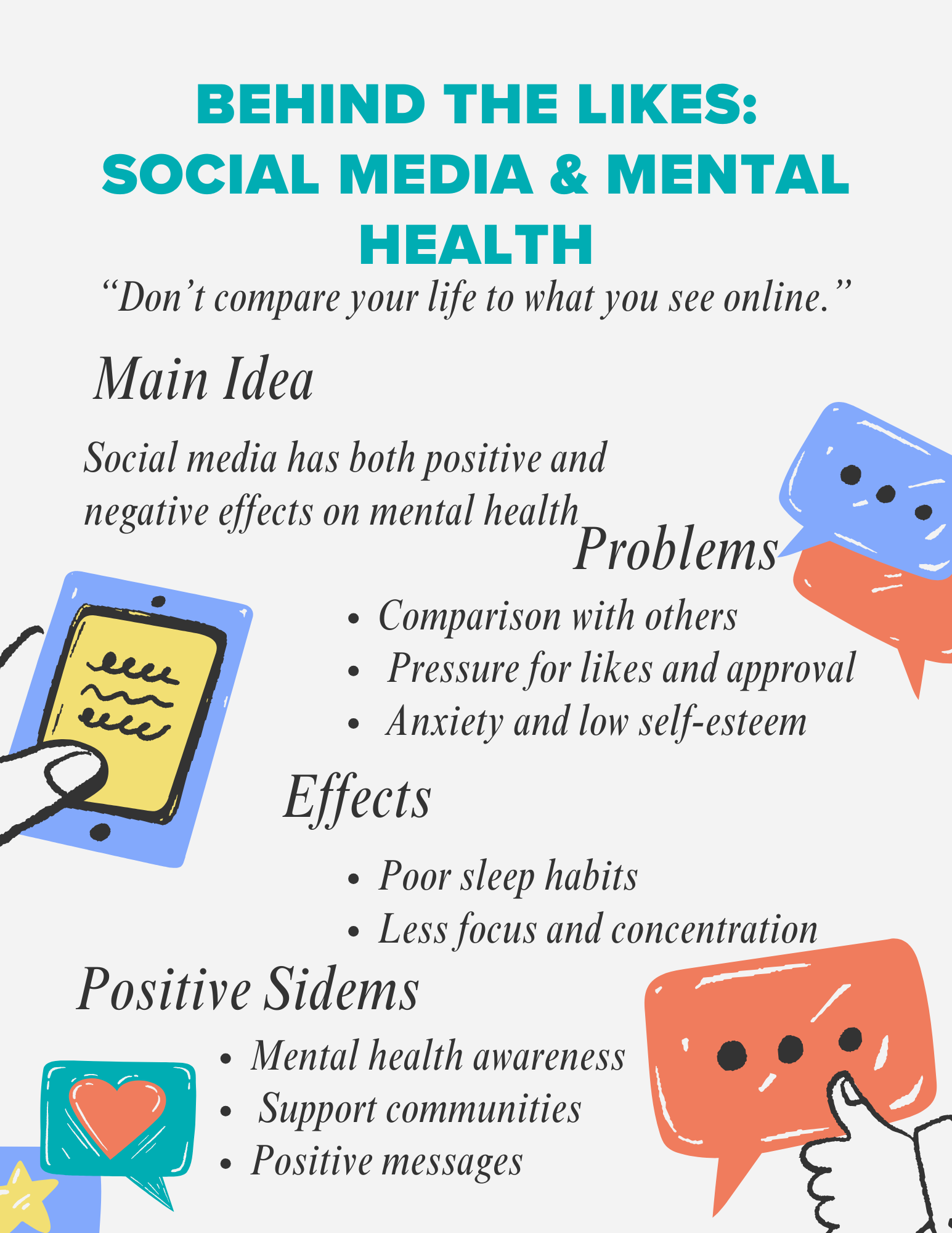
Godfrey – Social media has become a major part of daily life, especially for teenagers and young adults in the United States and around the world. Platforms like Instagram, TikTok, and Snapchat allow people to connect, share moments, and express themselves. However, while social media has many benefits, it can also have a serious impact on mental health.
One of the main problems is comparison. Many users only post the “best” parts of their lives—perfect photos, vacations, achievements, and happy moments. This can make others feel like their own lives are not good enough. Over time, constant comparison can lead to low self-esteem, anxiety, and even depression.
Another issue is the pressure to get likes and approval. Many people, especially teenagers, feel stressed about how many likes or comments they receive. This can create a false sense of value based on online popularity instead of real-life relationships or personal well-being.
Social media can also affect sleep and focus. Spending too much time scrolling through apps, especially at night, can lead to poor sleep habits, which directly impacts mental health, mood, and concentration during the day.
However, social media is not entirely negative. It can also be a powerful tool for awareness and support. Many campaigns, mental health organizations, and individuals use these platforms to share positive messages, encourage open conversations, and reduce stigma. For example, people like Billie Eilish have used their influence to talk openly about anxiety and emotional struggles, helping others feel less alone.
To protect mental health, it is important to use social media in a balanced way. Setting time limits, following positive accounts, avoiding harmful comparisons, and taking breaks from screens can make a big difference.
In conclusion, social media is a powerful tool that can influence mental health in both positive and negative ways. By becoming more aware of its effects, people can learn to use it in a healthier way and protect their emotional well-being.