

Javier Lopez
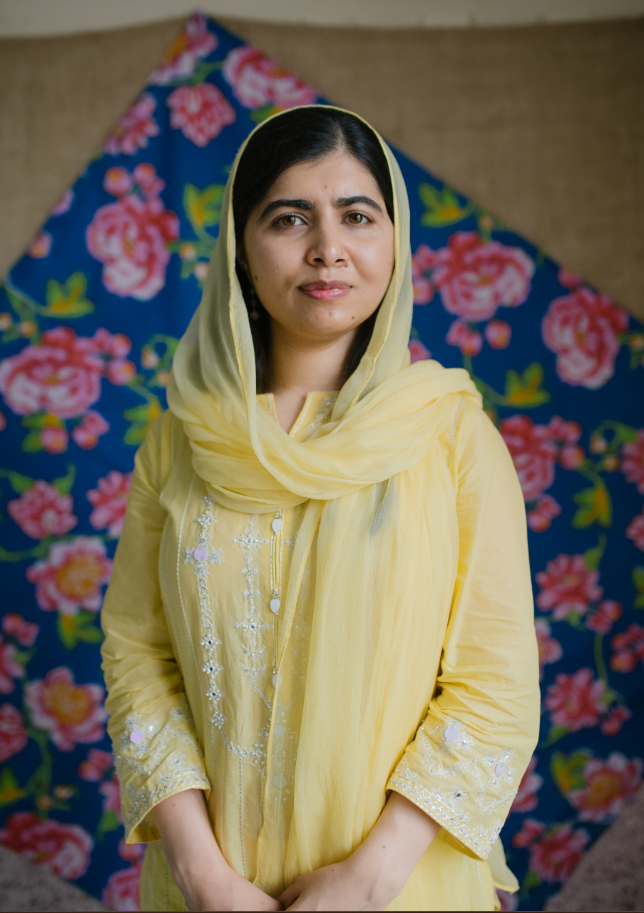
Malala Yousafzai is one of the most influential human rights activists of the 21st century and a global symbol of the fight for girls’ education. She was born on July 12, 1997, in Mingora, a city in Pakistan’s Swat Valley. From an early age, she developed a deep love for learning. Her father, a teacher and school owner, strongly believed that girls deserved the same educational opportunities as boys, and he encouraged Malala to speak her mind and value her education.
When Malala was still a child, an extremist group took control of her region and imposed strict rules, including banning girls from attending school. Many families were afraid, and schools for girls were shut down. Despite these dangers, Malala bravely began speaking out. She gave interviews and wrote about her experiences, explaining why education was not only her right but the right of every girl. Her powerful words quickly gained international attention.
On October 9, 2012, when she was just 15 years old, a member of the extremist group stopped her school bus and shot her because of her activism. The bullet struck her head, leaving her in critical condition. The attack shocked people around the world and sparked widespread condemnation. Malala was first treated in Pakistan and then flown to the United Kingdom for specialized medical care. After multiple surgeries and months of recovery, she survived.
Rather than being silenced by violence, Malala became even more determined. She continued advocating for education on a global stage, delivering speeches and meeting with world leaders. In 2013, she spoke at the United Nations on her 16th birthday, declaring that “one child, one teacher, one book, and one pen can change the world.” Her speech inspired millions.
In 2014, Malala was awarded the Nobel Peace Prize, becoming the youngest Nobel laureate in history. She shared the prize with Indian children’s rights activist Kailash Satyarthi. Through the Malala Fund, the organization she co-founded, she works to ensure that all girls receive 12 years of free, safe, and quality education. The foundation supports local activists and invests in educational programs in countries where girls face barriers to schooling.
In addition to her activism, Malala has written books, including her memoir I Am Malala, in which she shares her personal story and her mission. She later graduated from the University of Oxford, proving that her commitment to education is not only political but deeply personal.
Malala Yousafzai’s life demonstrates extraordinary courage, resilience, and hope. She turned a tragic event into a global movement for change. Her story reminds us that even one young person can stand up against injustice and make a lasting impact on the world.
Photo credits: Malala Fund