


Javier Lopez
Jlopezmedinaceli@gmail.com
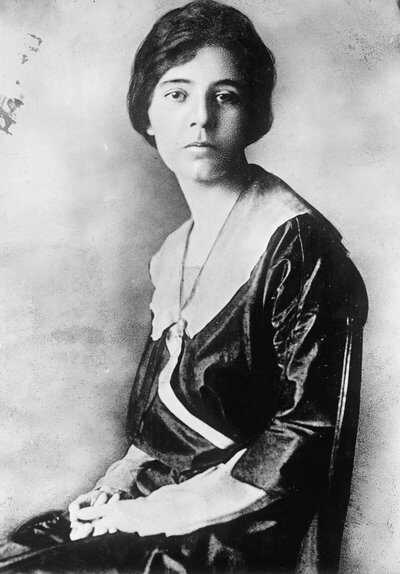
Godfrey – When studying the history of women’s suffrage in the United States, Alice Paul stands out as one of the most determined and strategic leaders of the movement. Her persistence, organization, and willingness to challenge political power played a major role in the passage of the 19th Amendment in 1920, which granted women the right to vote nationwide.
Alice Paul was born in 1885 in New Jersey into a Quaker family that strongly believed in equality between men and women. Growing up in this environment shaped her understanding of justice and fairness from a young age. Her parents supported education for women, which was not common at the time. She attended Swarthmore College and later continued her studies in England, where her activism became more intense and focused.
While in England, Paul became involved with the British suffrage movement led by Emmeline Pankhurst. There, she witnessed and participated in more direct forms of protest. She was arrested multiple times for taking part in demonstrations demanding voting rights for women. These experiences deeply influenced her approach when she returned to the United States. She realized that peaceful but highly visible protests could put pressure on political leaders.
In 1913, Alice Paul organized a massive suffrage parade in Washington, D.C., the day before President Woodrow Wilson’s inauguration. Thousands of women marched to demand voting rights, drawing national attention to the cause. The event marked a turning point in the American suffrage movement by making it impossible for politicians to ignore the issue.
Paul later led peaceful pickets in front of the White House, becoming one of the first activists to protest there consistently. At the time, this was considered radical, especially during World War I. Many Americans criticized the protesters, but Paul believed that direct action was necessary to create change. She and other activists were arrested and sent to prison, where they endured harsh treatment. In protest, they organized a hunger strike. When authorities force-fed them, public opinion began to shift in favor of the suffragists.
The growing pressure eventually contributed to the passage of the 19th Amendment in 1920. Although many women had worked for decades to achieve this victory—including leaders like Susan B. Anthony and Elizabeth Cady Stanton—Alice Paul’s leadership during the final push was crucial.
After winning the right to vote, Paul did not stop her fight for equality. In 1923, she introduced the Equal Rights Amendment (ERA), which aimed to guarantee equal legal rights for all citizens regardless of sex. Although the ERA was not fully ratified during her lifetime, it became a central focus of the women’s rights movement for many years.
Alice Paul dedicated her entire life to achieving legal equality for women. She was disciplined, strategic, and unwavering in her commitment. Her legacy shows that meaningful social change requires courage, organization, and persistence. Because of her efforts, millions of women gained a fundamental democratic right, and her influence continues to inspire movements for equality today.